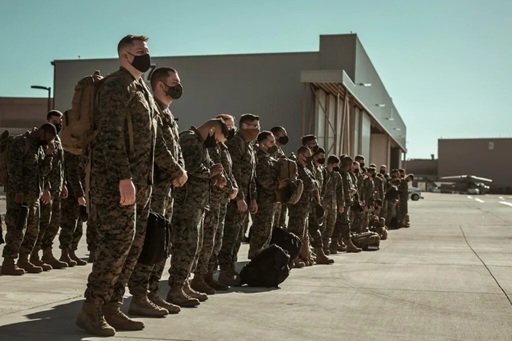
Every May, the country pauses to recognize the men and women who have served and continue to serve in the United States Armed Forces.
Military Appreciation Month is a full 31 days dedicated to honoring service, and while most people have a general sense that it exists, the history and meaning behind it run much deeper than a social media post or a store discount. These five facts put some real insight into what the month actually represents:
1. Military Appreciation Month Was Officially Designated by Congress
This is not a marketing creation or a grassroots awareness campaign that eventually gained traction. Military Appreciation Month was formally established by the United States Congress in 1999. The legislation was introduced with bipartisan support, underscoring the broad recognition that honoring military service transcends political lines.
The official designation gave structure to a collection of observances that already existed throughout May. Rather than isolated moments scattered across the calendar, the full month became a cohesive period of recognition with Congress putting its formal weight behind it.
2. Multiple Specific Observances Live Within the Month
Military Appreciation Month is not a single day stretched across 31 days. It is a collection of distinct observances, each with its own history and purpose, that fall within May and collectively honor different dimensions of military service.
The Observances That Make Up the Month
Loyalty Day falls on May 1 and has roots in the early 20th century as a counter to communist May Day demonstrations, eventually evolving into a day affirming loyalty to the United States. VE Day on May 8 marks the Allied victory in Europe during World War II.
Military Spouse Appreciation Day, celebrated on the Friday before Mother’s Day, recognizes the often-overlooked sacrifices made by the families supporting service members. Armed Forces Day on the third Saturday of May honors those currently serving in uniform. Memorial Day closes the month by honoring those who died in military service to the country.
Together, these observances cover the full spectrum of military life, from active service to family sacrifice to ultimate loss.
3. Armed Forces Day and Veterans Day Are Not the Same
This is one of the most common points of confusion, and it is worth clearing up directly. Armed Forces Day, held in May, specifically honors those currently serving in the military. Veterans Day, observed on November 11, honors all who have served, including those no longer on active duty.
Memorial Day adds a third layer by focusing specifically on those who gave their lives. All three are meaningful and distinct. Understanding the difference matters because it reflects a more complete picture of what military service actually involves across a lifetime, not just at any single point.
Why the Distinction Matters for How We Show Appreciation
Lumping these observances together, even unintentionally, can flatten the nuance of military service into a single undifferentiated gesture.
A soldier currently deployed faces a different reality than a veteran who served decades ago, and both face a different reality than a fallen service member’s family. Recognizing each group on their specific day is a more intentional and respectful form of appreciation.
4. Military Families Are a Central Part of the Conversation
One of the more meaningful evolutions in how Military Appreciation Month is observed is the growing recognition that service does not happen in isolation. Military spouses, children, and extended family members carry significant burdens that are rarely visible to civilian communities.
Deployments, frequent relocations, extended periods of single-parent household management, and the emotional weight of uncertainty are all part of the military family experience. Military Spouse Appreciation Day was established specifically to bring that reality into the light, and the broader month has increasingly become a time to acknowledge the full support network behind every service member.
5. Personalized Gifts and Gear Have Become a Meaningful Way To Honor Service
Tangible recognition carries weight that words alone sometimes cannot. For decades, military families and veterans have marked service milestones with items that reflect their specific branches, ranks, and years of service. That tradition has only grown more accessible.
Personalized military gear, custom uniform displays, and branch-specific items are among the most meaningful ways civilians and families alike honor service during this month. A personalized Navy hat honoring military service is a good example of the kind of specific, branch-proud recognition that resonates far more than a generic thank-you.
More Than a Month on the Calendar
Military Appreciation Month works best when it is treated as an invitation to learn, not just to express gratitude. The history behind each observance, the distinctions between them, and the full scope of how military service affects all add up to a picture that is worth understanding well.
The month has 31 days. The appreciation it calls for lasts well beyond them.