Influencer marketing continues to reshape how brands connect with consumers, fundamentally changing digital advertising landscapes across all industries. As marketing budgets shift and platforms diversify, influencer marketing platforms are evolving rapidly—empowering brands and creators to form more meaningful, data-driven partnerships. Businesses seeking to maximize ROI are increasingly analyzing every aspect of collaboration, from campaign measurement to cost-effectiveness, making solutions like Valued Voice light platform pricing especially attractive for companies of all sizes.
This evolution isn’t just about budget optimization. Brands now expect greater personalization, deeper audience engagement, and more innovative content approaches. As influencers themselves become savvier and more in demand, the platforms supporting these partnerships must integrate new technologies and analytics, supporting better decisions for brands and more value for creators. Navigating the future means understanding the pivotal shifts underway and the new opportunities emerging for marketers and influencers alike.
Marketing teams can use an AI presentation maker to illustrate how influencer platforms are evolving and what trends to expect in the future.
AI Integration in Influencer Marketing
The rise of artificial intelligence is transforming influencer marketing platforms at every level. AI-driven algorithms now process massive datasets to recommend optimal influencer matches, forecast campaign performance, and even guide content creation for maximum engagement. By replacing guesswork with science, AI enables brands to identify authentic voices that resonate with targeted demographics and ensure both reach and relevance. According to a recent study by Later, 87% of creators report that AI tools have already improved their content, while 77% of brands have seen better campaign results as a result of these advances. Marketers who leverage AI can discover real-time insights into influencer performance, streamline negotiations, and automate reporting for greater efficiency.
Rise of Micro and Nano Influencers
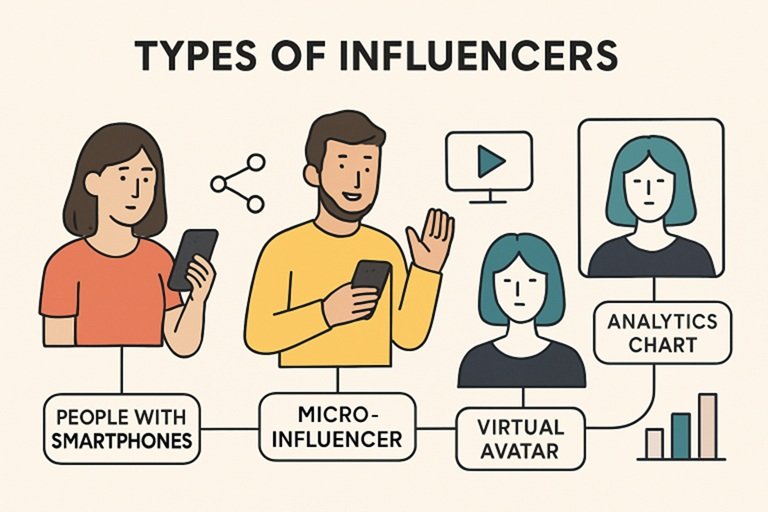
While celebrity influencers remain potent allies, consumer attention is increasingly shifting to the social personalities of micro- and nano-influencers, who have smaller but highly dedicated followings. Micro-influencers typically command between 10,000 and 100,000 followers, while nano influencers operate within even smaller, often hyper-local, communities. Their impact lies in authenticity and niche engagement: followers tend to trust their recommendations and interact more deeply with their content, fostering loyalty that broad campaigns simply can’t match. For brands, these partnerships offer cost-effective marketing solutions and higher conversion rates, especially when targeting specific interests or demographics.
Performance-Based Partnerships
With tightening budgets, brands are moving away from traditional pay-per-post models and toward performance-based influencer collaborations. In this landscape, compensation is directly tied to measurable results, such as sales, click-through rates, leads, or specific campaign engagements. Platforms offering robust tracking, analytics dashboards, and transparent reporting structures support this accountability-focused approach. Performance-based influencer partnerships foster a win-win mentality: brands see a clear return on investment, while influencers are incentivized to deliver higher-quality, conversion-driven content. This change is especially attractive for data-centric marketers seeking to tie advertising spend directly to bottom-funnel results.
Diversification of Content Formats
Modern audiences are fragmented across multiple platforms and media types, driving influencer marketing toward diversified content strategies. Today’s successful campaigns now incorporate short-form videos (such as TikTok Reels and Instagram Stories), in-depth how-to guides, live streams, interactive polls, and podcasts. By mixing formats, brands meet followers in their preferred online spaces and stimulate more organic participation. Adaptability is essential, as users demand authenticity, spontaneity, and multimedia experiences that surpass static, sponsored posts. Brands that combine a variety of content types consistently outperform their peers in engagement and brand loyalty metrics.
Emergence of Virtual Influencers
The introduction of virtual influencers—entirely computer-generated characters managed by human or AI teams marks a new era in influencer marketing. These digital personas, such as the viral “Granny Spills,” have already amassed millions of followers, offering brands uniquely customizable mascots who remain “on brand” 24/7. Virtual influencers ensure message consistency, never age, and can avoid reputation crises, making them ideal for global campaigns with minimal logistical friction. Despite their appeal, this shift raises critical questions about authenticity, audience trust, and transparency. Brands must weigh these innovations against the consumer desire for relatable, real-world advocates.
Challenges and Opportunities
As platforms race to adapt, new challenges emerge: ensuring authentic partnerships, navigating complex regulations, policing for fraudulent engagements, and building consumer trust remain top concerns. However, these challenges also spark fresh opportunities. Advanced analytics, more nuanced influencer vetting processes, and deeper collaborations between brands and creators offer a way forward. Marketers who prioritize transparency, brand safety, and mutually beneficial partnerships will be best positioned to thrive in this new era of influencer marketing platforms.
Conclusion
Influencer marketing platforms are entering a period of unprecedented innovation from AI-driven discovery and micro-influencer engagement to smarter contract structures and immersive content formats. As the industry matures, brands willing to embrace these trends will unlock new growth channels, build stronger consumer connections, and achieve higher returns on every dollar invested. Staying ahead in this dynamic landscape requires continuous adaptation, experimentation, and forging genuine relationships with increasingly discerning audiences.