It’s 30 minutes before guests arrive.
The tents are up. The caterer is plating. The DJ is testing speakers.
And then someone asks, very calmly:
“Where are the bathrooms?”
Cue the internal panic.
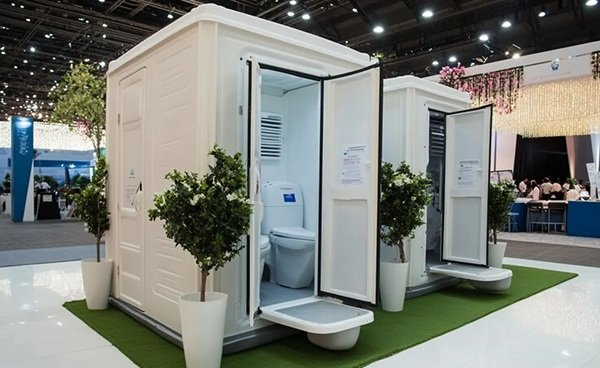
Because here’s the thing—no one remembers the floral arrangements if the restroom line wrapped around the food truck. Choosing the right portable bathrooms for events isn’t glamorous. It is, however, absolutely critical.
Let’s break this down before you find yourself Googling solutions mid-event.
First Question: How Many People Are Actually Coming? (Be Honest.)
This is where optimism gets dangerous.
“Yes, we invited 120, but maybe only 80 will show up.”
Maybe. Or maybe 140 bring plus-ones.
As a general rule:
- One restroom per 50 guests for a four-hour event
- Add more if alcohol is served
- Increase units for longer events
Alcohol changes everything. So does heat. So does a full-day festival schedule.
Underestimating guest count leads to long lines. Long lines lead to frustrated guests. Frustrated guests remember that part.
When planning portable bathrooms for events, rounding up is rarely a mistake.
Match The Bathroom To The Vibe
Let’s be honest.
A luxury outdoor wedding and a weekend mud run should not have the same restroom experience.
Common options include:
- Standard Units – Practical. Efficient. Crowd-friendly.
- ADA-Compliant Units – Larger interiors, accessibility-focused.
- Deluxe Flushable Units – Upgraded interiors with sinks.
- Luxury Restroom Trailers – Climate-controlled, lighting, mirrors—the whole polished setup.
If guests are wearing heels and formalwear, a basic construction-style unit feels… off.
On the flip side, if you’re hosting a community festival, prioritizing quantity and functionality makes more sense than polished countertops.
Restrooms should align with expectations. Not compete with them.
Duration Changes Everything
Two-hour ceremony? Manageable.
Eight-hour music festival? Different story.
The longer your event runs, the more strain on your restroom setup. Waste tanks fill. Supplies deplete. Cleanliness becomes noticeable.
Multi-day or high-traffic events often require scheduled servicing—pumping, restocking, cleaning.
Clean restrooms don’t get compliments.
Dirty ones absolutely do.
Placement Is Strategy (Not Guesswork)
Here’s where things get tactical.
Portable bathrooms for events should be:
- On level ground
- Easy to find
- Close enough for convenience
- Far enough from food areas to avoid… ambiance issues
- Well-lit for evening use
Spread units across large venues to prevent traffic bottlenecks. Don’t cluster everything in one corner and hope for the best.
Flow matters.
Guests shouldn’t have to wander aimlessly searching for facilities.
Accessibility Isn’t Optional
If your event is open to the public, ADA-compliant units are required.
Even for private gatherings, providing accessible facilities is simply the right move. Larger interiors also help parents with young children or guests needing assistance.
Accessibility isn’t just about regulation.
It’s about consideration.
Weather Will Test Your Plan
Hot day? People drink more. Which means… yes.
Rainy conditions? Mud becomes a factor. Placement on stable ground becomes essential.
Cold weather? Standard units may feel less comfortable. Climate-controlled restroom trailers become more appealing.
Weather influences usage more than planners anticipate.
Plan for it.
Handwashing: Small Detail, Big Impression
Hand sanitizer is helpful.
Running water is better.
If your event involves food (which most do), adding dedicated handwashing stations elevates sanitation standards significantly.
It’s one of those upgrades that people notice subconsciously. Clean hands feel better. Especially outdoors.
The Quiet Goal: No One Talks About The Bathrooms
That’s it.
If guests leave your event without mentioning restroom logistics, you succeeded.
Choosing the right portable bathrooms for events requires realistic guest estimates, smart placement, appropriate unit selection, accessibility planning, and sanitation strategy.
It’s not flashy.
But it’s foundational.
Because the only thing worse than forgetting the bathrooms… is remembering them for the wrong reasons.