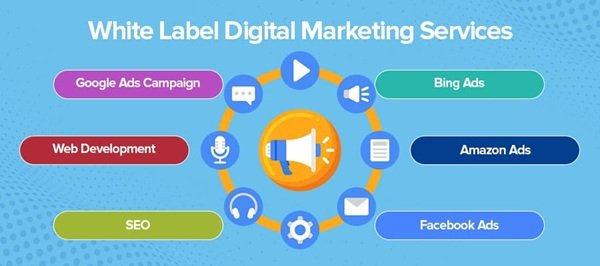
As competition intensifies in the digital marketing sphere, agencies are constantly seeking ways to expand their service portfolios without straining internal teams. A robust approach is to adopt white-label SEO services, which enable agencies to deliver high-quality, brandable optimization solutions to clients efficiently. For agencies seeking a trusted partner, solutions like Vazoola SEO reseller services allow you to offer best-in-class SEO while maintaining your brand’s integrity.
Instead of dedicating resources to building an internal SEO department, digital agencies can seamlessly add advanced optimization services to their repertoire. This strategy saves time, reduces risk, and broadens offerings, all while providing consistent value under the agency’s identity. The collaboration with a white-label provider delivers not only scalability but also access to the latest best practices—ensuring client satisfaction and agency growth.
With digital marketing spending projected to grow rapidly, the ability to meet and exceed evolving client expectations is more critical than ever. By partnering with seasoned SEO experts, agencies can maintain their competitive edge and nurture stronger client relationships, focusing on account management and business development. In contrast, their partner delivers the technical work. White-label SEO enables you to serve more clients more efficiently and at a higher quality.
Outsourcing SEO to specialized white label partners also helps agencies remain agile in a fast-changing industry. By leveraging external expertise, agencies can quickly adapt to Google’s algorithm updates and meet the unique needs of diverse industries, whether for local businesses or national brands.
Understanding White Label SEO
White-label SEO involves partnering with external experts to complete search engine optimization projects on behalf of a digital agency. The provider remains invisible to the end client, supplying all deliverables, such as audits, keyword research, link building, and reporting, under the agency’s brand. This behind-the-scenes collaboration enriches an agency’s toolkit, offering reliable, specialized SEO services without the need for new hires or heavy investments in tools and training. According to eLearning Industry, this approach comes with both benefits and potential drawbacks, which agencies should carefully consider when integrating white-label SEO into their offerings. You can read more in this detailed discussion on white-label SEO.
This model is particularly beneficial for creative or marketing firms looking to move into organic search, as well as for established agencies aiming to scale rapidly without quality compromise. White-label SEO can be tailored to client packages, supporting everything from technical site fixes to strategic outreach, always presented as the agency’s work.
Benefits for Digital Agencies
- Scalability: Agencies can swiftly scale their services up or down as client demands change, minimizing fixed operational costs.
- Expertise Access: Agencies benefit from years of experience and strategic insight from SEO professionals, keeping campaigns ahead of search engine updates and industry trends.
- Cost Efficiency: Partnering with a white label SEO provider is typically far less expensive than training or expanding an in-house team, especially for specialized services.
- Focus on Core Competencies: Agencies can devote their resources where they add the most value—whether that’s strategic client guidance, paid media, or creative branding—while specialists handle SEO execution.
Key Components of White Label SEO
Comprehensive white-label SEO packages should include a range of foundational services. These allow agencies to deliver measurable results aligned with their clients’ goals. The core components often include:
- SEO Audits & Analysis: Evaluating websites to identify technical issues, crawling problems, and off-page weaknesses that impact visibility.
- Keyword Research: Discovering high-intent keywords relevant to the client’s audience, industry, and business objectives.
- Content Optimization: Updating landing pages, blog posts, and product descriptions to align with SEO strategies, improve ranking, and enhance user engagement.
- On-Page and Off-Page SEO: Implementing tactics such as meta tag optimization, internal linking, and authority-building outreach to maximize site strength.
- Local SEO: Ensuring local businesses appear prominently in map and local search results through citation building and review management.
Choosing the Right White Label Partner
Selecting a reliable white-label SEO provider is essential for agency success and reputation. Agencies should weigh several criteria:
- Reputation: Comprehensive background checks, review of online testimonials, and vetting of case studies help verify reliability.
- Service Range: It’s essential to confirm that the provider delivers the types of SEO services required by your current and target clients.
- Transparency: Look for providers that offer ongoing, clear communication, detailed reports, and insights into work completed and results achieved.
- Customization: The ability to adapt strategies, reporting, and communication to fit your processes and brand identity is crucial for seamless integration.
Industry experts recommend evaluating partners based on capacity to deliver at scale and alignment with your long-term strategic vision.
Implementing White Label SEO Services
A successful white label program begins with thoughtful integration. Agencies should:
- Assess Client Needs: Identify key goals, challenges, and SEO gaps across your client portfolio.
- Select a Provider: Choose a partner with a strong reputation, flexible offerings, and shared quality standards.
- Develop a Workflow: Set up processes for project management, client communication, and deliverable handoff.
- Monitor Performance: Track the quality and outcomes of services, using feedback to optimize collaboration continually.
Measuring Success and ROI
Tracking the effectiveness of white-label SEO partnerships is critical to sustained agency growth. Important KPIs include:
- Organic Traffic: Monthly or quarterly increases in qualified visitors generated through search engines indicate campaign effectiveness.
- Keyword Rankings: Evaluate ranking progress for targeted search terms that matter most to each client.
- Conversion Rates: Improvements in the percentage of website visitors taking desired actions—such as submitting a form or making a purchase—demonstrate true ROI.
- Client Retention: Satisfied clients renew contracts and refer additional business, signaling that white label services are boosting overall value.
Future Trends in White Label SEO
White label SEO is expected to evolve as the digital marketing landscape grows more complex:
- AI Integration: Artificial intelligence will continue to streamline processes such as keyword research, content generation, and analytics, while improving accuracy and effectiveness.
- Performance-Based Models: More providers are likely to offer performance-linked pricing, aligning fees with the outcomes they deliver to clients.
- Comprehensive Service Expansion: Providers will expand their reach into related areas such as content marketing, pay-per-click, and reputation management to offer a holistic digital solution.
Conclusion
White label SEO services are transforming how agencies deliver value and achieve growth in the digital age. By choosing experienced partners and integrating their offerings strategically, digital agencies can expand capabilities, foster client loyalty, and scale their businesses—without the burden of building internal teams. In a fast-moving industry, the ability to adapt quickly and deliver exceptional SEO outcomes under your own brand is a true competitive advantage.