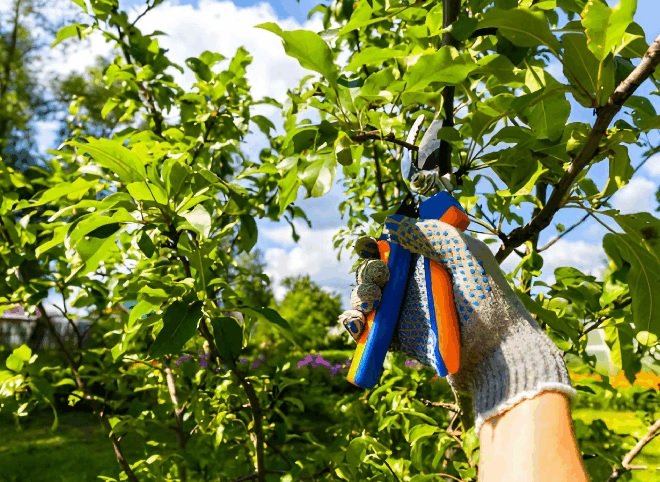
A well-kept landscape rarely happens by accident. Healthy trees, balanced shrubs and attractive plant shapes are usually the result of consistent care and informed decisions over time. Among the most important of those decisions is pruning. While many property owners understand that trimming can improve appearance, fewer realize just how much professional pruning affects plant health, safety and long-term performance.
Pruning is more than cutting back overgrown branches. Done correctly, it helps direct growth, removes weak or damaged limbs, improves air circulation, and supports the structural strength of trees and shrubs. Done poorly, it can leave plants stressed, vulnerable to pests, or permanently misshapen. That difference is exactly why many homeowners and property managers turn to professional pruning services instead of treating the work as a quick weekend task.
Trees and shrubs are living structures. They respond to timing, cut placement, seasonal changes, and species-specific needs. A skilled pruning approach takes all of that into account. It does not simply reduce size. It shapes the future of the plant. Whether the goal is to improve safety, encourage healthier flowering, preserve curb appeal, or protect the value of a landscape investment, proper pruning has a direct role.
For homes, commercial properties, community spaces, and managed landscapes, professional tree pruning and shrub pruning services offer practical benefits that go far beyond appearance. The results are often quieter than a dramatic renovation, but they last longer and matter more than many people expect.
What Professional Pruning Really Involves
Many people think pruning means cutting away anything that looks messy or overgrown. In reality, professional pruning is a far more deliberate process.
It starts with evaluating the condition of the plant. A trained professional looks at branch structure, health, age, growth pattern, and surrounding conditions before making a single cut. The aim is not random reduction. It is selective improvement.
For trees, that may involve removing deadwood, thinning crowded branches, improving clearance, or correcting weak structural growth. For shrubs, it may include shaping, rejuvenation, bloom support, or size control. Each cut has a purpose. Good pruning respects the biology of the plant while solving the practical needs of the property.
Pruning Is Both Preventive and Corrective
In some cases, pruning is done to fix an existing problem. A limb may be damaged, crossing branches may be rubbing together, or a shrub may have become too dense and unhealthy. In other cases, pruning is preventive. It helps reduce future breakage, keeps growth away from structures, and guides younger plants into stronger form before major issues develop.
That is why professional pruning services are often part of broader landscape maintenance rather than just a response to visible overgrowth.
Different Plants Need Different Methods
Not all pruning is the same. A flowering shrub does not need the same treatment as a mature shade tree. An ornamental tree has different pruning needs from a fast-growing privacy hedge. Timing, intensity, and technique all vary.
This is where expertise matters. Knowing how and when to prune helps avoid unnecessary stress and supports better long-term results.
Why Professional Tree Pruning Matters
Trees are among the most valuable features in a landscape. They add shade, beauty, privacy, and property value. They also bring risk when they are neglected.
Professional tree pruning helps preserve those benefits while reducing the problems that poorly managed growth can create. Over time, even a healthy tree can develop dead branches, tight branch unions, unbalanced weight distribution, and limbs that crowd structures or walkways.
Without proper pruning, these issues often worsen.
Improving Tree Health
Dead, diseased, or damaged branches can drain energy and create entry points for decay. Removing them allows the tree to direct more of its resources toward healthy growth. Thinning select branches can also improve airflow and sunlight penetration through the canopy, which may reduce moisture-related stress and support overall vigor.
Healthy trees are not simply those left alone. In many cases, they benefit from thoughtful intervention.
Reducing Safety Risks
One of the clearest reasons to invest in professional pruning services is safety. Weak limbs over driveways, roofs, sidewalks, or outdoor gathering spaces can become hazards, especially during storms or high winds.
A trained pruning professional can identify structural issues before they result in breakage. This is especially important for older trees, fast-growing species, and properties where foot or vehicle traffic is common.
Protecting Structural Balance
Trees do not always grow in ideal form. They may lean toward sunlight, develop competing leaders, or form dense canopies that catch wind unevenly. Professional tree pruning can help correct or reduce these imbalances, giving the tree a better chance of developing stable structure over time.
That structural work is often far more valuable than cosmetic trimming alone.
The Value of Professional Shrub Pruning
Shrubs play a major role in how a landscape looks and functions. They define entryways, soften hard edges, create privacy, and frame the architecture of a home or building. But shrubs can quickly lose their shape or vitality when they are pruned incorrectly or ignored for too long.
Professional pruning helps shrubs stay healthy, proportionate, and attractive without forcing them into harsh or unnatural forms.
Encouraging Fuller, Healthier Growth
When shrubs are pruned correctly, they often respond with denser and more balanced growth. Removing weak, dead, or overcrowded stems gives the remaining structure more room and energy. This can improve foliage quality and help the plant maintain a fuller appearance from top to bottom.
Improper cutting, on the other hand, may leave shrubs thin, leggy, or uneven.
Supporting Blooming and Seasonal Interest
Many shrubs are grown for flowers, berries, or colorful foliage. Their pruning needs depend heavily on when they bloom and how they produce new growth. Cut at the wrong time, and a shrub may lose much of its seasonal display.
Professional pruning services take bloom cycles into account. This helps protect ornamental value while still keeping the plant healthy and controlled.
Preventing Overgrowth From Becoming Decline
Shrubs that are left unpruned for years often become woody, sparse inside, or oversized for their location. Once that happens, simple trimming may no longer be enough. More careful rejuvenation pruning may be needed to restore shape and vigor.
This is another reason regular maintenance tends to be more effective than waiting for a shrub to become a problem.
How Professional Pruning Supports Long-Term Plant Health
Plants are not improved by cutting alone. They improve when the right parts are removed for the right reasons.
That is the core strength of professional pruning. It supports the long-term health of a landscape by working with the plant’s natural growth habits rather than against them.
Better Airflow and Light Penetration
Dense branching can trap moisture and reduce the light reaching interior growth. Over time, this can encourage disease pressure and weaken the plant’s internal structure. Strategic thinning helps open the canopy or shrub interior, allowing better circulation and more even light exposure.
This does not mean stripping the plant. It means making selective cuts that improve growing conditions.
Less Stress Than Repeated Overcutting
Many people over-prune without realizing it. Repeatedly shearing off outer growth can create stress, promote weak regrowth, and lead to an unnatural look. Professional pruning is often lighter in appearance but more effective in result because it targets the right areas rather than just the visible edges.
The plant ends up looking better because it is actually functioning better.
Stronger Recovery After Damage
Storms, pests, and environmental stress can all affect landscape plants. Proper pruning after damage can help reduce further decline and support healthy recovery. Removing broken limbs or diseased growth promptly may also keep problems from spreading.
In that sense, pruning is often part of protecting the larger investment in the landscape.
Common Problems Caused by Poor Pruning
It is easy to underestimate the effect of bad pruning because the damage is not always immediate. A shrub may still look trimmed. A tree may still stand. But the long-term consequences can be serious.
Poor pruning often leads to weak regrowth, sunscald, disease vulnerability, awkward shape, or structural instability. Topping trees is a common example. While it may seem like a fast way to reduce height, it can leave the tree stressed and prone to brittle regrowth.
Other problems come from cutting too much at once, pruning during the wrong season, or placing cuts in ways that do not heal well.
Cosmetic Trimming Is Not the Same as Proper Pruning
Some landscapes are maintained to look neat on the surface while deeper plant issues are ignored. This can create a cycle where trees and shrubs require more correction later because earlier cuts focused on quick appearance rather than health and structure.
Professional pruning services help avoid that pattern by treating pruning as plant care, not just surface cleanup.
Delayed Damage Is Still Damage
A poor cut may not show consequences right away. But months later, the branch may decay, the canopy may respond unevenly, or the plant may fail to bloom as expected. This delayed effect is one reason pruning experience matters so much.
When to Schedule Professional Pruning Services
Timing depends on the plant, the goal, and the condition of the landscape. Some trees benefit from pruning during dormancy, while certain shrubs should be pruned after blooming. Damaged or hazardous branches, of course, may need attention right away.
Rather than relying on a single rule for every plant, professional pruning services assess timing based on what will best support health and performance.
Seasonal Maintenance
Routine pruning is often scheduled seasonally. This helps keep growth manageable, reduces risk, and prevents plants from reaching the point where more drastic intervention is necessary.
Regular attention usually means lighter, healthier pruning over time.
Growth Stage Matters
Young trees often benefit from structural pruning that helps them develop sound branch arrangement early. Mature trees may need more selective maintenance focused on safety, health, and stability. Shrubs may need different treatment depending on whether they are newly established, mature, or overgrown.
Each stage calls for a different mindset and technique.
Choosing the Right Professional Pruning Service
Not all pruning work is done with the same level of care. A good provider looks beyond surface trimming and understands how cuts affect plant biology, landscape design, and property safety.
When evaluating a pruning company, it helps to ask about experience with tree and shrub care, approach to pruning, and whether they tailor their methods to plant type and season. Clear communication is also important. Property owners should understand what work is being recommended and why.
Look for Thoughtful, Not Aggressive, Work
The best pruning often does not look extreme. It looks balanced. Plants still appear natural, but healthier, cleaner, and more intentional. A provider who talks about plant health, structural integrity, and long-term results is usually approaching the work with the right mindset.
Consider the Whole Landscape
Strong pruning decisions take the full property into account. That includes buildings, walkways, neighboring plants, sightlines, and overall design. Professional pruning services should improve how the landscape functions as a whole, not just reduce individual branches.
Why Professional Pruning Is a Smart Long-Term Investment
Landscaping adds value slowly but significantly. Trees and shrubs mature over years, and their impact on a property grows with time. That means the care they receive now affects what they become later.
Professional pruning protects that long-term value. It helps plants stay healthier, more attractive, and less likely to develop costly problems. It also reduces the need for major corrective work that often comes after years of neglect or repeated improper trimming.
For homeowners, the investment often shows up in better curb appeal, safer outdoor spaces, and stronger plant performance. For commercial properties, it supports presentation, accessibility, and reduced liability. In either case, the benefits are practical as well as visual.
A healthy landscape does not come from cutting more. It comes from cutting wisely. That is the real value of professional pruning and why it remains one of the most important services in responsible landscape care.